Dê o primeiro passo em direção à excelência em segurança cibernética
Preencha seus dados abaixo para saber mais sobre a Nexusguard Academy ou os cursos. Se você está procurando aprimorar suas habilidades, avançar em sua carreira ou proteger sua organização, temos o treinamento certo para você.
Por que Nexusguard?

Mais de 15 anos
da excelência em cibersegurança

Confiado por mais de 100
Parceiros globais de ISP

Protegendo 50.000
ASNs em todo o mundo

40+
Centros dedicados de depuração de DDoS


Saiba mais sobre os cursos da Nexusguard Academy
What is DDoS?
Definition
A Distributed Denial of Service (DDoS) attack floods a website, application, or network with massive amounts of fake traffic from multiple sources, making it unavailable to legitimate users.
Think of it like this: thousands of people blocking a store entrance so real customers can't get in.
How It Works
Attackers use networks of compromised devices (called botnets) to simultaneously send requests to a target. The target's servers become overwhelmed and can't respond to legitimate traffic.
DDoS vs. DoS:
- DoS (Denial of Service): Attack from a single source
- DDoS: Attack from many sources simultaneously (much harder to stop)
A Brief History
- Early 2000s: First major DDoS attacks hit Yahoo, Amazon, eBay
- 2010s: Attacks grew exponentially with IoT device exploitation
- Today: Attacks regularly exceed 1 Tbps, targeting businesses of all sizes
Why Do Attackers Launch DDoS Attacks?
Financial Gain
- Ransom demands: "Pay or stay offline"
- In 2020, over 100 financial firms were targeted by Ransom DDoS campaigns
Competitive Sabotage
- Taking down competitors during critical business periods
- E-commerce attacks during sales events
Hacktivism
- Political or ideological protests
- Targeting organizations attackers disagree with
Diversion Tactic
- DDoS as a smokescreen while stealing data
- Part of Advanced Persistent Threat (APT) campaigns
- Security teams focus on DDoS while real breach happens elsewhere
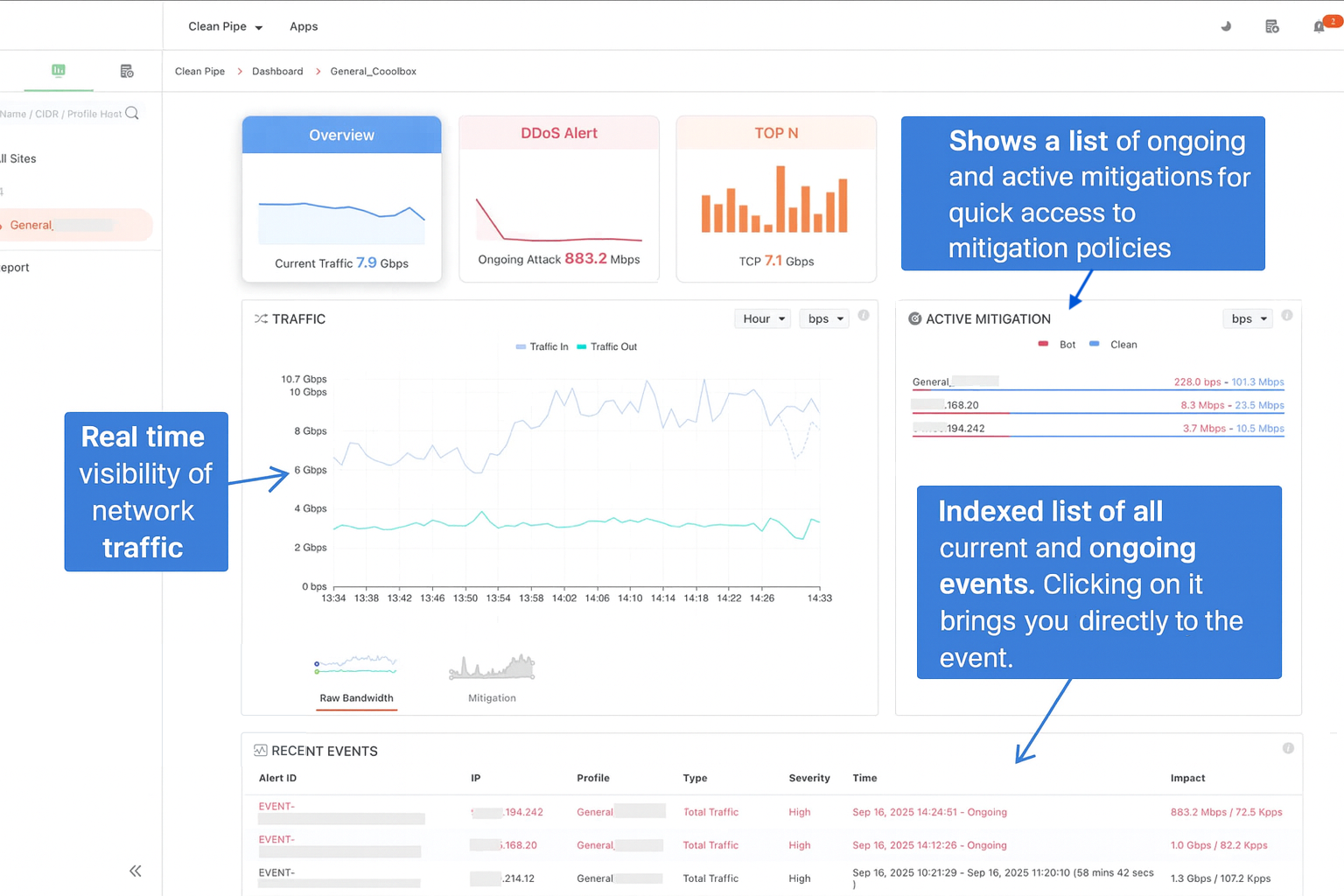
This isn’t just protection—it’s proof. Customers can see the battle happening at the edge and know their service provider is actively keeping them safe.
Pronto para proteger seus ativos da Web?
Proteja sua infraestrutura crítica sem esforço com a proteção contra DDoS confiável e fácil de gerenciar da Nexusguard. Fale com um de nossos especialistas em segurança de rede para saber como podemos simplificar suas operações de segurança e proporcionar tranquilidade.
Fale com nosso especialista em segurança de rede